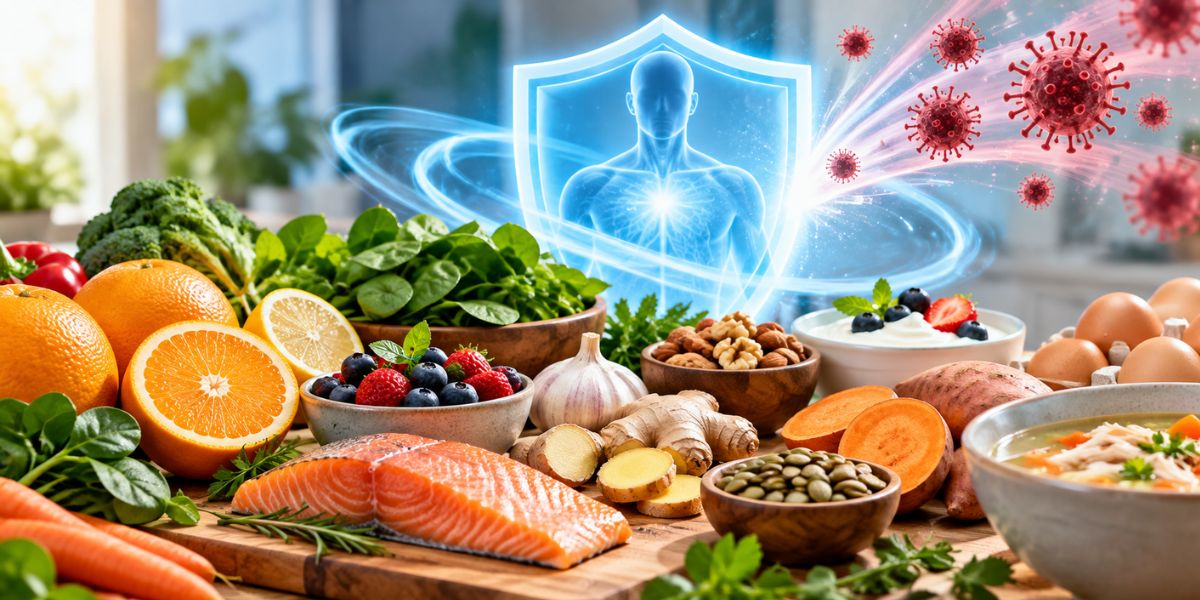
Influenza can leave you feeling exhausted, weak, feverish, and unable to carry out normal daily activities. When flu season arrives, many people start searching for natural ways to strengthen their immune defenses and reduce their risk of getting sick.
One of the most common questions is: Can certain foods help your body fight influenza?
Nutrition plays an important role in maintaining a healthy immune system. Vitamins, minerals, proteins, and other essential nutrients support the immune cells and biological processes that help the body respond to infections.
However, there is an important distinction between supporting normal immune function and directly treating influenza.
No single food can prevent, cure, or eliminate the influenza virus. Nevertheless, eating a balanced diet rich in essential nutrients can help the immune system function properly and support overall recovery when you are ill.
According to the National Institutes of Health (NIH), inadequate intake of certain vitamins and minerals can impair immune function and increase susceptibility to infections.
In this guide, we explore 12 nutritious foods that support immune health, explain their nutritional benefits, and provide practical suggestions for incorporating them into your diet during flu season.
How Does Nutrition Help the Immune System Fight Influenza?
The immune system is a complex network of cells, tissues, and organs that work together to recognize and respond to harmful microorganisms.
When influenza viruses enter the respiratory system, the body activates several immune defenses.
The innate immune system responds first by identifying potentially harmful pathogens and activating protective mechanisms.
The adaptive immune system develops more targeted responses, including immune cells and antibodies capable of recognizing specific viral components.
Both systems depend on adequate nutrition to function effectively.
For example, vitamin C contributes to normal immune cell function, zinc supports immune signaling and cellular processes, and vitamin D participates in immune regulation.
Protein is also essential because the body uses amino acids to produce antibodies, enzymes, and other components involved in immune responses.
A nutritious diet helps maintain the body's normal immune defenses, but it does not make someone immune to influenza.
Influenza vaccination remains the most important specific preventive measure against seasonal flu, while prescription antiviral medications may be appropriate for certain infected individuals.
12 Best Immune-Boosting Foods for Influenza and Flu Season
1. Oranges and Citrus Fruits: Natural Sources of Vitamin C
Oranges, lemons, grapefruits, and other citrus fruits are well-known sources of vitamin C.
Vitamin C is an essential nutrient that contributes to normal immune function and helps protect cells against oxidative stress.
It also supports the maintenance of healthy skin and tissues, which form part of the body's protective barriers.
Citrus fruits provide water and other beneficial dietary compounds, making them a convenient addition to a balanced diet.
How to include citrus fruits in your diet: Enjoy a fresh orange as a snack, add lemon to water, or include grapefruit in breakfast if it does not interact with your medications.
Although vitamin C is important for immune health, consuming excessive amounts does not guarantee protection against influenza or cure an existing infection.
2. Garlic: A Flavorful Food With Potential Immune Benefits
Garlic contains sulfur-containing compounds, including substances formed when fresh garlic is crushed or chopped.
These compounds have attracted scientific interest because of their potential biological activities.
Laboratory studies have investigated garlic-derived compounds for antimicrobial and immune-related effects, but convincing clinical evidence that eating garlic prevents or treats influenza remains insufficient.
Nevertheless, garlic can be a valuable addition to a nutritious diet because it adds flavor without requiring large amounts of salt.
How to include garlic in your diet: Add chopped garlic to vegetable soup, chicken broth, stir-fried vegetables, or other savory meals.
Garlic is best viewed as a healthy culinary ingredient rather than a replacement for antiviral treatment.
3. Ginger: A Comforting Ingredient for Warm Flu-Season Drinks
Ginger has been used in cooking and traditional wellness practices for centuries.
It contains naturally occurring compounds such as gingerols and shogaols that have been studied for antioxidant and anti-inflammatory properties.
Warm ginger drinks may feel soothing for people experiencing throat discomfort or reduced appetite during a respiratory illness.
However, human clinical evidence does not establish ginger as an effective treatment for influenza.
How to include ginger in your diet: Prepare a warm drink using sliced ginger and water, add fresh ginger to soup, or use it when cooking vegetables and lean proteins.
People taking certain medications, particularly blood-thinning medications, should seek professional advice before taking concentrated ginger supplements.
4. Yogurt and Fermented Foods: Supporting Gut Health
The digestive system and immune system interact through a complex network of cells and signaling pathways.
Yogurt and some fermented foods contain live microorganisms that may contribute to a healthy gut microbial environment.
Certain probiotics have been studied for their effects on respiratory infections, but benefits vary considerably depending on the specific microorganism, dose, and population.
It is not established that ordinary yogurt consumption directly prevents influenza.
Still, plain yogurt can provide protein, calcium, and other useful nutrients.
How to include fermented foods in your diet: Choose plain yogurt with live cultures, combine it with fresh fruit, or include suitable fermented foods as part of varied meals.
Individuals with severely weakened immune systems should discuss probiotic supplements with a healthcare professional.
5. Salmon and Fatty Fish: Providing Vitamin D and Protein
Fatty fish such as salmon, sardines, and mackerel provide protein and beneficial omega-3 fatty acids.
They are also among the relatively few natural dietary sources of vitamin D.
Vitamin D plays an important role in normal immune regulation and supports several biological processes involved in responding to pathogens.
Research has investigated whether vitamin D supplementation reduces respiratory infection risk, but results are mixed, and a clear influenza-specific preventive benefit has not been established for everyone.
Maintaining an adequate vitamin D level is important, especially for individuals at risk of deficiency.
How to include fatty fish in your diet: Serve baked salmon with vegetables, add sardines to whole-grain toast, or prepare a nutritious fish soup.
6. Spinach and Leafy Green Vegetables: Essential Micronutrients
Leafy green vegetables provide a variety of vitamins, minerals, and plant compounds.
Spinach contains folate, vitamin A precursors, vitamin C, and other nutrients that support general health.
Vitamin A contributes to the maintenance of normal epithelial tissues, including protective surfaces involved in the body's defenses.
Folate is necessary for cell division and other processes that help maintain healthy tissues.
How to include leafy greens in your diet: Add spinach to omelets, blend leafy vegetables into smoothies, or include lightly cooked greens in soups and meals.
Eating a range of vegetables is more beneficial for nutritional adequacy than relying on one particular vegetable.
7. Almonds and Nuts: Sources of Vitamin E
Almonds, hazelnuts, and other nuts provide healthy fats, minerals, and vitamin E.
Vitamin E is a fat-soluble antioxidant that helps protect cells from oxidative damage.
Adequate vitamin E intake contributes to normal immune function, although taking high doses has not been established as a reliable method of preventing influenza.
Nuts can also provide energy when incorporated into a balanced diet.
How to include nuts in your diet: Eat a small handful of unsalted almonds, sprinkle chopped nuts over oatmeal, or add suitable nut butter to toast.
Choose portions according to your dietary needs and avoid nuts if you have a relevant allergy.
8. Pumpkin Seeds: A Convenient Source of Zinc
Zinc is an essential mineral involved in immune cell development, communication, and normal immune responses.
Insufficient zinc intake can impair immune function.
Pumpkin seeds provide zinc as well as magnesium, protein, and unsaturated fats.
Other dietary sources of zinc include meat, seafood, beans, and certain fortified foods.
Although zinc supplements are frequently promoted for respiratory infections, research findings involving the common cold should not automatically be applied to influenza.
How to include pumpkin seeds in your diet: Add them to salads, yogurt, breakfast bowls, or homemade whole-grain snacks.
Excessive zinc supplementation can cause adverse effects, including interference with copper absorption.
9. Chicken Soup: Hydration and Nutritional Support During Illness
Chicken soup is one of the most familiar comfort foods associated with cold and flu recovery.
Its benefits come primarily from the combination of fluids, nutrients, and the comfort of a warm meal.
Chicken provides protein, while vegetables contribute vitamins, minerals, and other nutrients.
The broth can also help increase fluid intake when someone is experiencing fever or reduced appetite.
Warm soup may temporarily soothe throat discomfort and make eating easier.
However, chicken soup does not directly kill influenza viruses.
How to prepare a nourishing soup: Combine chicken, carrots, celery, garlic, onions, and broth. Cook thoroughly and serve warm.
For people with a poor appetite, smaller servings throughout the day may be easier to tolerate.
10. Berries: Antioxidants and Vitamin C
Strawberries, blueberries, raspberries, and blackberries contain a range of plant compounds.
Many berries provide polyphenols, while strawberries are also a useful source of vitamin C.
These nutrients contribute to overall dietary quality and support normal cellular functions.
Research continues to explore the biological effects of berry-derived compounds, but there is no strong clinical evidence that berries specifically prevent or cure influenza.
How to include berries in your diet: Add berries to oatmeal, plain yogurt, or smoothies, or enjoy them as a snack.
Fresh and frozen berries can both be nutritious choices.
11. Eggs: Protein, Vitamin B12, and Other Nutrients
Eggs provide high-quality protein and several important micronutrients.
They contain vitamin B12, selenium, choline, and small amounts of vitamin D.
Vitamin B12 supports normal cellular processes, while selenium contributes to antioxidant defense and immune function.
Protein is especially important during recovery because illness can reduce appetite while the body continues to require essential nutrients.
How to include eggs in your diet: Prepare scrambled eggs, boiled eggs, vegetable omelets, or fully cooked eggs with whole-grain toast.
Eggs should be cooked and handled safely, especially when preparing meals for people at increased risk of foodborne illness.
12. Sweet Potatoes and Carrots: Supporting Healthy Protective Tissues
Sweet potatoes and carrots are rich in beta-carotene, a plant pigment that the body can convert into vitamin A.
Vitamin A helps maintain healthy skin and mucosal surfaces, including tissues that form part of the body's natural protective barriers.
These foods also provide fiber and other essential nutrients.
Their natural sweetness makes them useful ingredients in both savory and simple home-cooked meals.
How to include them in your diet: Roast sweet potatoes, prepare carrot soup, or add both vegetables to stews.
Adequate vitamin A intake supports immune health, but consuming unusually large amounts does not provide extra protection against influenza.
Nutrients That Matter Most for Immune Function
The following table summarizes important nutrients and their common food sources.
| Nutrient | Role in the Body | Food Sources |
|---|---|---|
| Vitamin C | Supports immune cell function and antioxidant defenses | Oranges, kiwi, strawberries, bell peppers |
| Vitamin D | Helps regulate immune responses | Salmon, sardines, fortified milk, egg yolks |
| Zinc | Supports immune cell development and signaling | Pumpkin seeds, meat, seafood, beans |
| Vitamin A | Maintains normal skin and mucosal barriers | Sweet potatoes, carrots, spinach |
| Vitamin E | Protects cells against oxidative stress | Almonds, sunflower seeds, nuts |
| Vitamin B12 | Supports normal cell and nervous system function | Eggs, fish, dairy, meat |
| Selenium | Supports antioxidant and immune-related processes | Fish, eggs, meat |
| Protein | Provides amino acids for tissue maintenance and immune components | Chicken, fish, eggs, tofu, beans |
Consuming these nutrients through a varied diet helps maintain normal immune function. More is not necessarily better, especially when it comes to high-dose supplements.
What Should You Eat When You Already Have Influenza?
During influenza infection, appetite may decrease because of fever, fatigue, nausea, or general discomfort.
Although eating well is important, forcing large meals is usually unnecessary.
Instead, focus on foods and beverages that are easy to tolerate.
Warm soups can provide fluids and some nutrients. Oatmeal, rice, bananas, toast, and other simple foods may be suitable when appetite is low.
If you feel able to eat a balanced meal, include a source of protein along with vegetables, fruit, or whole grains.
Hydration is especially important when fever and sweating increase fluid losses.
Water, broth, and other appropriate beverages can help maintain fluid balance.
Individuals with certain medical conditions may require personalized dietary or fluid guidance.
A Simple One-Day Meal Plan for Immune Health
Breakfast
Oatmeal with plain yogurt, blueberries, and almonds.
Provides fiber, protein, vitamin E, and other nutrients.
Lunch
Homemade chicken and vegetable soup with whole-grain bread.
Provides protein, carbohydrates, vegetables, and fluids.
Afternoon Snack
Fresh orange slices and a small handful of pumpkin seeds.
Provides vitamin C, zinc, and energy.
Dinner
Baked salmon with roasted sweet potatoes and spinach.
Provides protein, vitamin D, beta-carotene, and healthy fats.
This example provides dietary variety rather than a prescribed influenza treatment plan. Portions and ingredients should be adjusted for individual needs, allergies, and appetite.
Foods and Drinks to Limit During Influenza Recovery
Not every food is equally helpful when someone is experiencing fever, fatigue, and digestive discomfort.
Alcohol
Alcohol can interfere with sleep and hydration and may interact with medications.
Avoiding alcohol during illness is generally a sensible choice.
Excessively Sugary Drinks
Sugary beverages are not a substitute for balanced nutrition.
Although certain drinks may provide fluids, water and other appropriate beverages are usually better everyday options.
Heavy Meals That Worsen Nausea
Large, greasy meals may feel uncomfortable when appetite is reduced or nausea is present.
Smaller, simpler meals may be easier to tolerate.
Unnecessary High-Dose Supplements
Taking large amounts of vitamin C, vitamin D, zinc, or other nutrients does not guarantee faster influenza recovery.
Excessive supplementation can cause adverse effects and may interact with medications.
Supplements should address genuine nutritional needs rather than be treated as a cure for influenza.
Can Immune-Boosting Foods Prevent Influenza?
A balanced diet supports the immune system, but it is not a substitute for established influenza prevention measures.
The term immune boosting is frequently used in wellness marketing, but immune function cannot be reliably measured or improved through a single food.
According to the NIH, increasing vitamin and mineral intake beyond adequate levels generally has limited evidence of additional benefit for preventing infections or speeding recovery in people without deficiencies.
Preventing influenza requires a broader approach.
Annual vaccination is the primary specific method of reducing influenza risk and its potentially serious complications.
Other protective measures may include improving indoor ventilation, practicing good hand hygiene, avoiding unnecessary exposure to people with respiratory symptoms, and wearing appropriate face protection in higher-risk settings.
For individuals seeking educational information on everyday respiratory protection, Health Gear Now offers a starting point for exploring health protection topics and resources.
A well-fitting mask can help reduce respiratory exposure in situations where influenza viruses may circulate, complementing other preventive measures such as vaccination and cleaner indoor air.
Why Nutrition Alone Is Not Enough to Fight the Flu
Influenza is a viral infection, and its effects can range from mild respiratory symptoms to serious illness.
Nutrition helps the body maintain normal functions, but dietary changes cannot replace medical treatment when treatment is needed.
Prescription antiviral medications, such as oseltamivir, may reduce the severity and duration of influenza when used appropriately.
These medications are generally most effective when started early, preferably within the first two days of symptoms.
People at increased risk of influenza complications, including older adults, pregnant individuals, and people with certain chronic illnesses, should seek prompt medical advice if influenza is suspected.
People experiencing difficulty breathing, chest pain, confusion, severe weakness, or signs of dehydration should seek urgent medical care.
Frequently Asked Questions About Immune-Boosting Foods and Influenza
What are the best foods to eat when you have influenza?
Nutritious, easily tolerated foods such as soup, oatmeal, yogurt, fruit, eggs, vegetables, and lean proteins can help provide energy and essential nutrients during recovery.
Can oranges and vitamin C cure influenza?
No. Oranges provide vitamin C, which supports normal immune function, but neither oranges nor vitamin C have been proven to cure influenza.
Is garlic effective against the influenza virus?
Garlic contains biologically active compounds, but there is insufficient high-quality clinical evidence that eating garlic prevents or treats influenza in humans.
Does ginger help with flu symptoms?
Warm ginger drinks may provide comfort and contribute to hydration. However, ginger is not an established antiviral treatment for influenza.
What should you drink when you have the flu?
Water, broth, and other appropriate beverages help maintain hydration. People who are vomiting or struggling to drink may need medical advice about fluid replacement.
Can yogurt strengthen the immune system?
Yogurt provides nutrients and may contain live microorganisms that support aspects of gut health. However, its ability to specifically prevent influenza has not been established.
Which vitamins are most important during flu season?
Vitamins A, C, D, E, B6, and B12, along with minerals such as zinc and selenium, contribute to normal immune function. A balanced diet helps provide adequate amounts.
Can vitamin D help prevent influenza?
Vitamin D is important for normal immune function. Research into supplementation and respiratory infection prevention has produced mixed results, and routine vitamin D supplementation is not a substitute for influenza vaccination.
Is chicken soup scientifically proven to cure the flu?
No. Chicken soup may help with hydration, nourishment, and comfort, but it has not been shown to cure influenza.
Should you take zinc supplements when you have influenza?
Zinc is an essential nutrient, but zinc supplements have not been established as an effective influenza treatment. High doses can cause side effects, so consult a healthcare professional before taking them.
How can you strengthen your immune system naturally?
Maintain a varied and balanced diet, get sufficient sleep, exercise regularly when healthy, avoid smoking, manage stress, and stay up to date with recommended vaccinations.
Can you still get influenza if you eat healthy foods every day?
Yes. Even people with nutritious diets can become infected with influenza. Healthy eating supports immune function but cannot eliminate exposure or guarantee protection.
Final Thoughts: Eat Well, Support Your Immune System, and Protect Yourself From Influenza
Eating nutritious foods is an important foundation of a healthy immune system.
Fruits rich in vitamin C, vegetables containing beta-carotene, protein-rich foods, fatty fish, nuts, seeds, and fermented foods can all contribute valuable nutrients to a balanced diet.
These foods support normal immune functions and help maintain general health before, during, and after influenza season.
However, the goal should not be to find a miracle food capable of eliminating influenza.
The most effective approach combines adequate nutrition with evidence-based prevention measures, including annual influenza vaccination, good respiratory hygiene, cleaner indoor air, and appropriate medical care.
When influenza does occur, maintaining hydration, eating suitable nutritious meals, resting, and seeking treatment when necessary can support recovery.
By making consistent, healthy food choices and practicing sensible preventive habits, you can help your body maintain the defenses it needs throughout flu season and beyond.
Scientific and Medical References
- National Institutes of Health — Dietary Supplements for Immune Function and Infectious Diseases
- National Institutes of Health — Immune Function and Infectious Diseases: Health Professional Fact Sheet
- Centers for Disease Control and Prevention — Preventing Seasonal Flu
- Centers for Disease Control and Prevention — Treating Flu With Antiviral Drugs
- Centers for Disease Control and Prevention — Healthy Habits: Enhancing Immunity
Learn more about face masks and everyday respiratory protection from Health Gear Now.
Explore the collection →Related reading: Why Clean Indoor Air Matters for Influenza Prevention · The Importance of Face Masks in Modern Life